
The IBHS Wildfire Prepared Home requirements for Base and Plus, how the evaluation works, and how to get your home ready.
Quick answer: Wildfire Prepared Home is a voluntary designation from the Insurance Institute for Business & Home Safety (IBHS). The Base level asks for a Class A roof, noncombustible gutters, ember- and flame-resistant vents, 6 inches of noncombustible clearance at the base of exterior walls, a noncombustible zone in the first 5 feet around the home, and defensible space out to 30 feet. Apply online, complete the work, pass the evaluation, and the designation lasts three years.
Prefer to watch? Our short explainer walks through the steps and why they matter.
IBHS is a nonprofit research organization funded by the insurance industry. Its Wildfire Prepared Home program turns that research into practical steps that reduce the chance a home ignites, even during ember storms when firefighters may not be able to respond right away.
There are two levels. Base (Essential) focuses on ember protection. Plus (Enhanced) adds protection from flames and radiant heat. Each level has specific requirements that must all be completed to earn a designation certificate.
Here is what IBHS lists for the Base designation. Review the full How-To Prepare My Home Checklist at wildfireprepared.org before you apply, since IBHS updates its standard over time.
Install flame- and ember-resistant vents, or cover existing roof, attic, eave and foundation vents with 1/8-inch corrosion-resistant metal mesh. Dryer vents are the exception: they need a working louver or flap, not mesh.
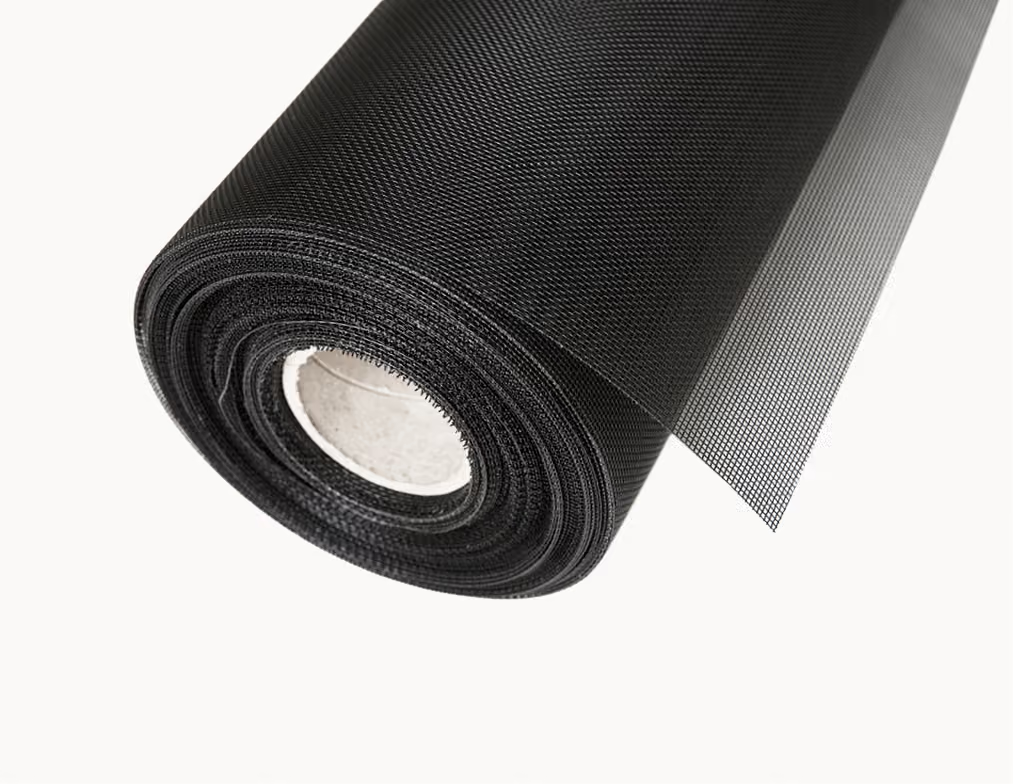
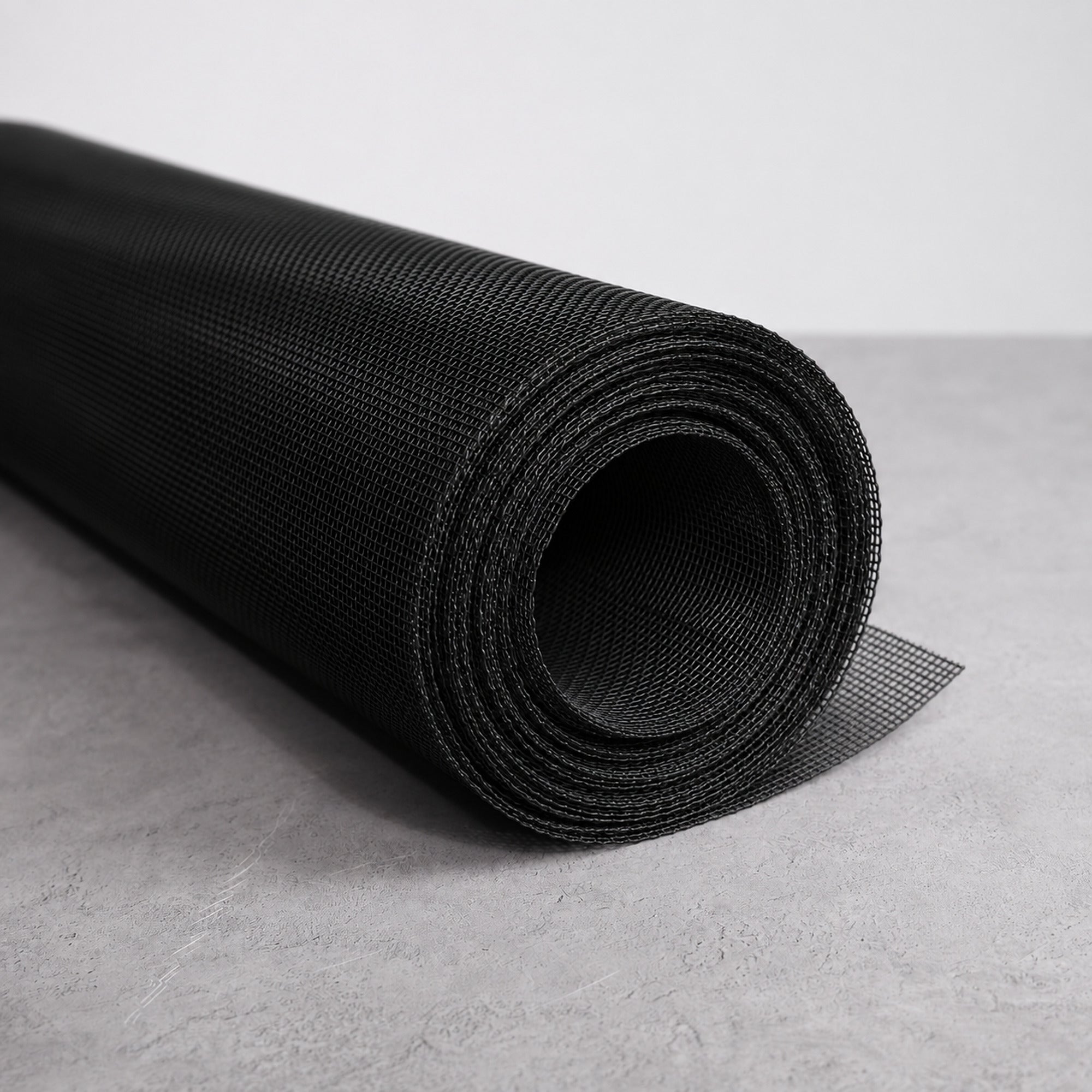
WDM 98 is stainless steel mesh with openings of about 1/16 inch, finer than the 1/8-inch limit in IBHS's checklist, and is tested to ASTM E2886. Use it as mesh rolls cut to size or as pre-sized soffit vent screens. Before covering vents, check your attic's net free area so it keeps the airflow building codes require.
Plus includes everything in Base, then adds noncombustible gutter covers, enclosed eaves, upgraded skylights, noncombustible siding and deck systems, dual-pane tempered windows, fire-rated or solid-core exterior doors, no detached structures within 30 feet, and no back-to-back combustible fencing.
IBHS notes that insurance discounts are not guaranteed and vary by insurer and state, though many insurers recognize the designation. In California, insurers must offer discounts for qualifying wildfire mitigation, so ask your agent once you are designated. The designation also documents the work you have done, which can help with insurance eligibility and resale.
Community resilience starts with Firewise Communities and Wildfire Prepared Homes. A neighbor's home can become the ignition source during a wildfire, so preparing together helps protect everyone. Share this guide and the video above with your neighborhood, and see our comprehensive guide to protecting your home from wildfire for the bigger picture.
The Insurance Institute for Business & Home Safety, a nonprofit research organization funded by the insurance industry.
Three years. To keep it active, IBHS asks for a photo-based annual review after the first and second years.
It can. Discounts are not guaranteed and vary by insurer and state, so ask your agent and share your certificate once you have it.
Many homeowners do. Covering vents with mesh takes basic tools such as tin snips and a staple gun or screws. Our weekend install guide walks through foundation, soffit and gable vents step by step.
Not ready for full designation yet? Start with ember-resistant vents and a clear 0 to 5 foot zone. Both are part of every level of the program.