Home hardening grants exist in nearly every wildfire-prone state, but most homeowners don't know where to look or how to apply. Funding comes from FEMA, state emergency management offices, county programs, and utility companies. The money is real, the application process is straightforward, and many programs are dramatically underutilized.
Here's a breakdown of the most significant programs in California, Colorado, and Texas, plus guidance on how to access them.
California has more wildfire hardening grant resources than any other state — a reflection of both the severity of the crisis and the strength of legislative action following major fires like the Camp Fire and the Marshall Fire.
California Wildfire Mitigation Program (CWMP) is the flagship state program, jointly administered by Cal OES and CAL FIRE. It is funded 75% through FEMA's Hazard Mitigation Grant Program (HMGP) and 25% through state appropriated funds. Eligible improvements include ember-resistant vents and screens, Class A roofing replacement, noncombustible siding, dual-pane or tempered windows, and defensible space creation. Priority is given to low- and moderate-income households in high fire-risk communities. Applications open periodically through Cal OES — check caloes.ca.gov for current availability.
County-level programs offer additional opportunities. Sonoma County's SoCo Adapts program has provided up to $10,000 in rebates for wildfire-hardening upgrades funded through FEMA's BRIC program. Fire Safe Marin offers grants and cost-share for ember-resistant vents, defensible space, and home assessments. The San Rafael Fire Department has made grants available of up to $15,000 per parcel over a ten-year period. The Los Angeles County Fire Department runs periodic grant cycles for WUI residents — check fire.lacounty.gov for updates.
FEMA HMGP Post-Fire activates after a federally declared wildfire disaster. Eligible costs include ignition-resistant building materials for properties that have completed or committed to defensible space measures. Applications are administered at the county level through your county's Office of Emergency Services.
Colorado's grant landscape was reshaped by the December 2021 Marshall Fire, which destroyed over 1,000 homes in Boulder County and demonstrated that urban-interface wind-driven fires were not limited to California.
Colorado Wildfire Mitigation & Recovery (CWMR) Grant was established after the Marshall Fire declaration and is administered through the Colorado Division of Fire Prevention and Control (DFPC) and Colorado State Forest Service (CSFS). Eligible improvements include ember-resistant vents, Class A roofing, ignition-resistant siding, and defensible space zones. Applications are processed through local fire districts and county emergency management offices — visit dfpc.colorado.gov for current program details.
Boulder County Wildfire Mitigation Program offers cost-share grants and rebates for homeowners in the WUI, covering vegetation management, ember-resistant vents, and noncombustible fencing. Visit bouldercounty.gov to confirm current availability.
Local fire district programs have emerged across the Front Range. South Metro Fire Rescue, Evergreen Fire/Rescue, and other districts have implemented home hardening assistance funded through FEMA's BRIC program. Call your local fire department to ask whether an active program is available for your area.
Texas wildfire risk is concentrated in the western and central regions — the Hill Country, Trans-Pecos, and the Panhandle — where dry conditions and high winds create significant WUI exposure. Grant programs are newer here but growing.
FEMA HMGP Post-Fire is the primary federal mechanism for Texas homeowners. Areas that receive a Fire Management Assistance Grant (FMAG) declaration become eligible for HMGP Post-Fire funding that can be used for home hardening. The Texas Division of Emergency Management (TDEM) administers resulting grant funds — visit tdem.texas.gov to identify opportunities in your county.
Texas A&M Forest Service — Community Wildfire Defense Grants (CWDG)funds wildfire mitigation at the community level, including defensible space creation and ember-resistant construction retrofits. Cities, counties, HOAs, and tribal governments are eligible. Individual homeowners can participate through a qualifying community organization. Applications open annually at tfsweb.tamu.edu.
Texas GLO Community Development Block Grants have been used post-disaster to fund home hardening in affected communities. Following the 2011 Bastrop County Complex Fire, GLO provided grants for home hardening and fuel reduction in WUI areas.
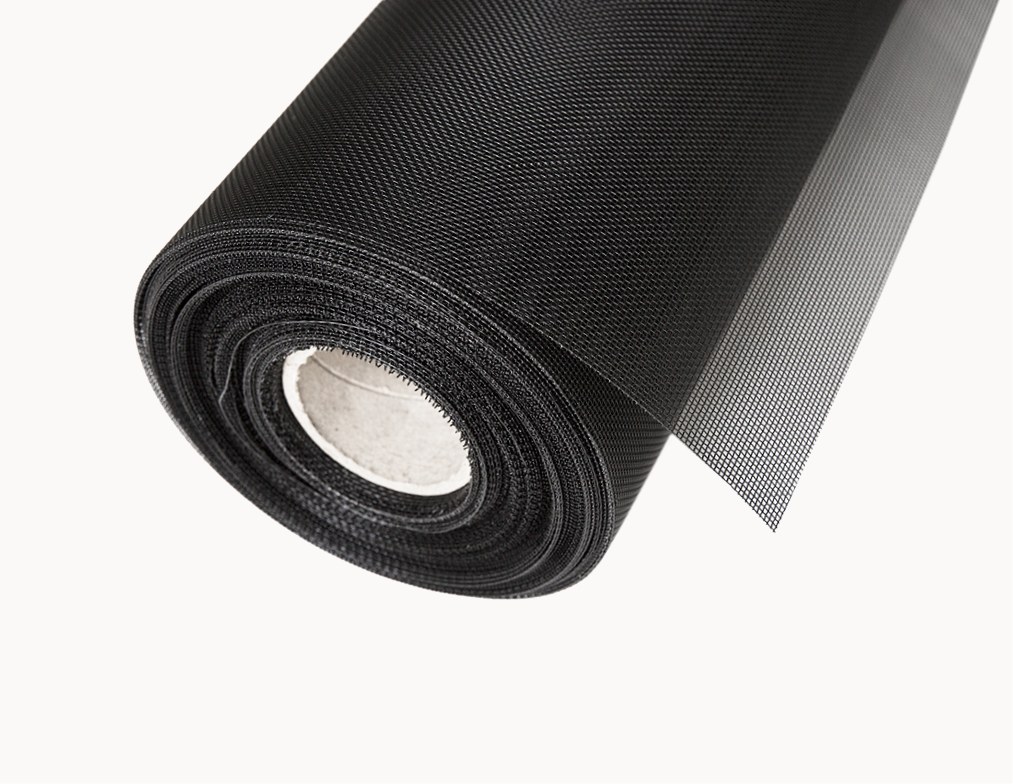
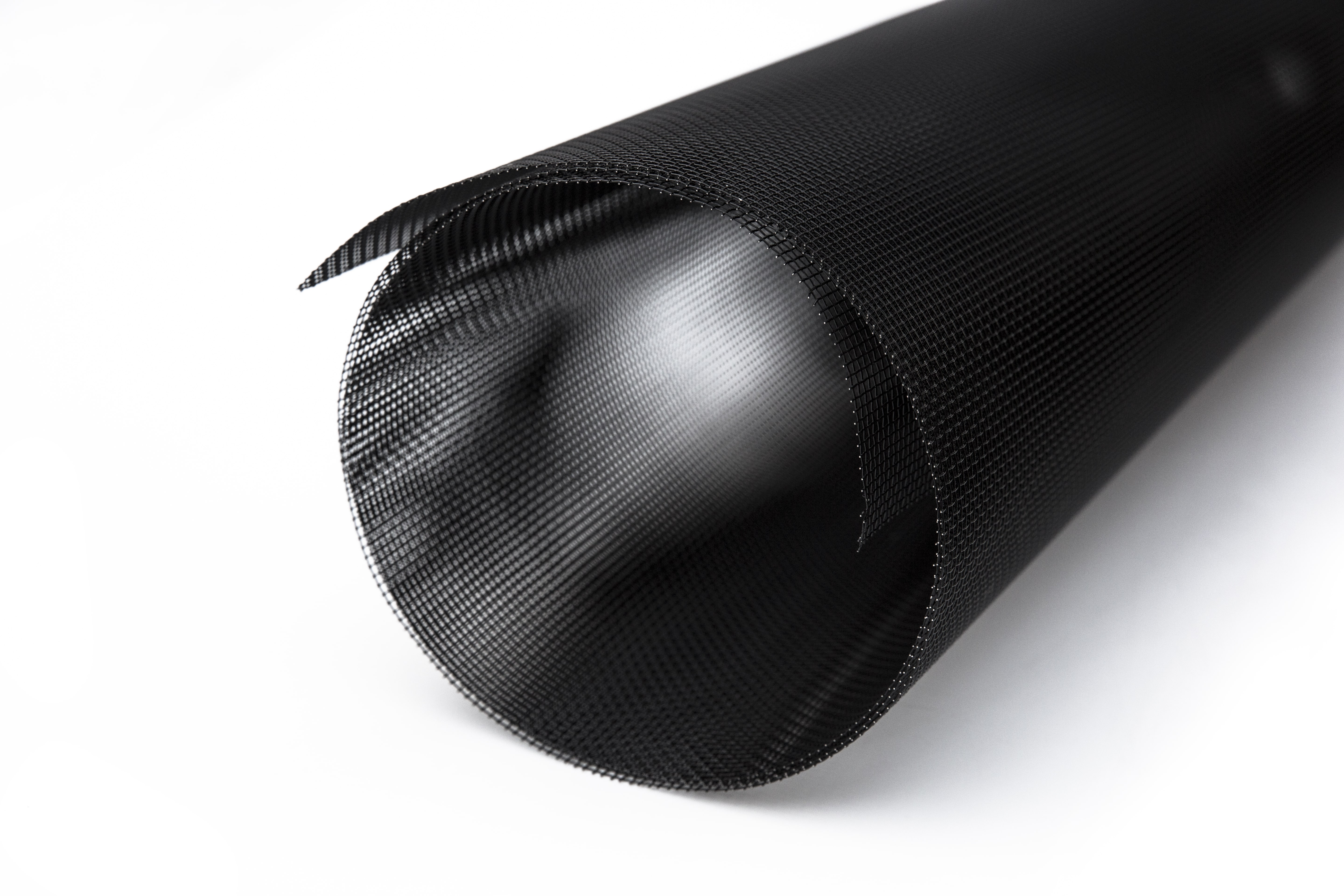
Many programs require detailed project proposals, cost estimates, and proof of product eligibility. Wildfire Defense Mesh works directly with homeowners and community groups to identify available programs, provide product specifications confirming ASTM E2886 compliance, and prepare cost estimates for grant applications. Contact WDM before placing an order if you're considering a grant application — in many cases, grants can meaningfully offset the cost for qualifying households.