
The IBHS Wildfire Prepared Home designation is the gold standard for wildfire resilience. It's a science-based certification that signals to insurers, buyers, and your community that your home meets proven standards for ember and flame resistance. Earning it requires meeting specific criteria across building materials, defensible space, and ember protection — but for homeowners in high-risk zones, it's one of the most valuable investments available.
The Insurance Institute for Business & Home Safety (IBHS) is a nonprofit research organization funded by the insurance industry. Their Wildfire Prepared Home program was developed after years of post-fire research identifying the building features and defensible space practices that actually prevent home ignition. Key benefits of designation include insurance premium discounts (5–20% with participating carriers), reduced risk of non-renewal, increased home value and marketability, and the practical assurance of knowing your home has met a rigorous science-based standard.
To earn designation, your home must meet all five requirements. There is no partial credit.
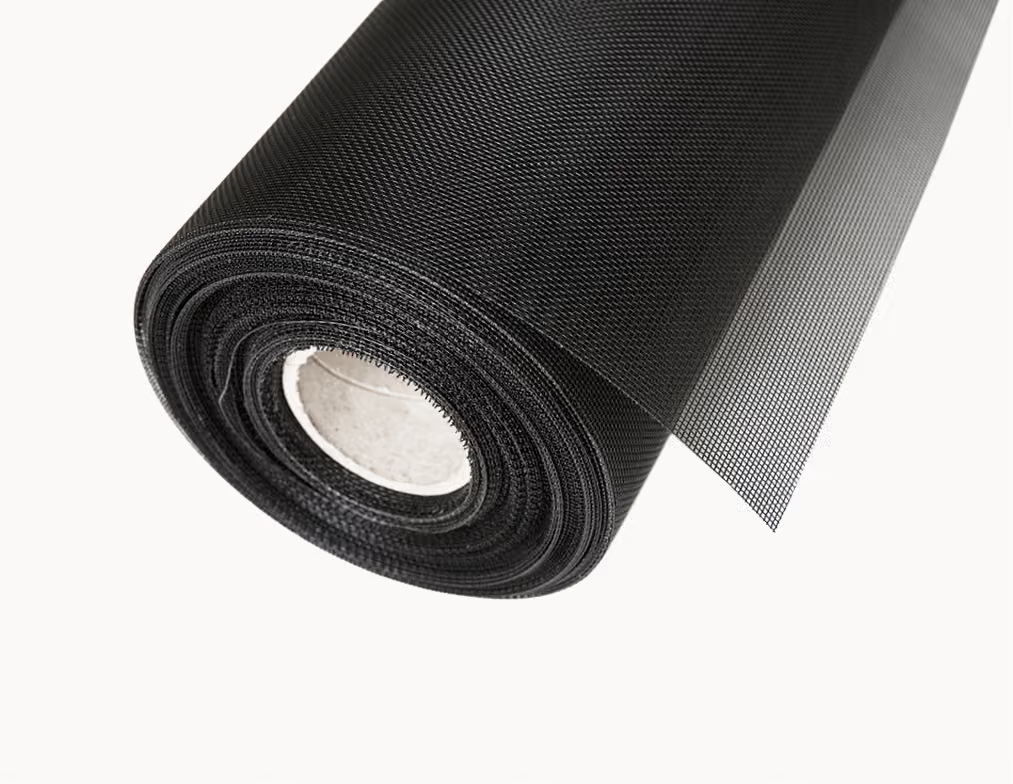
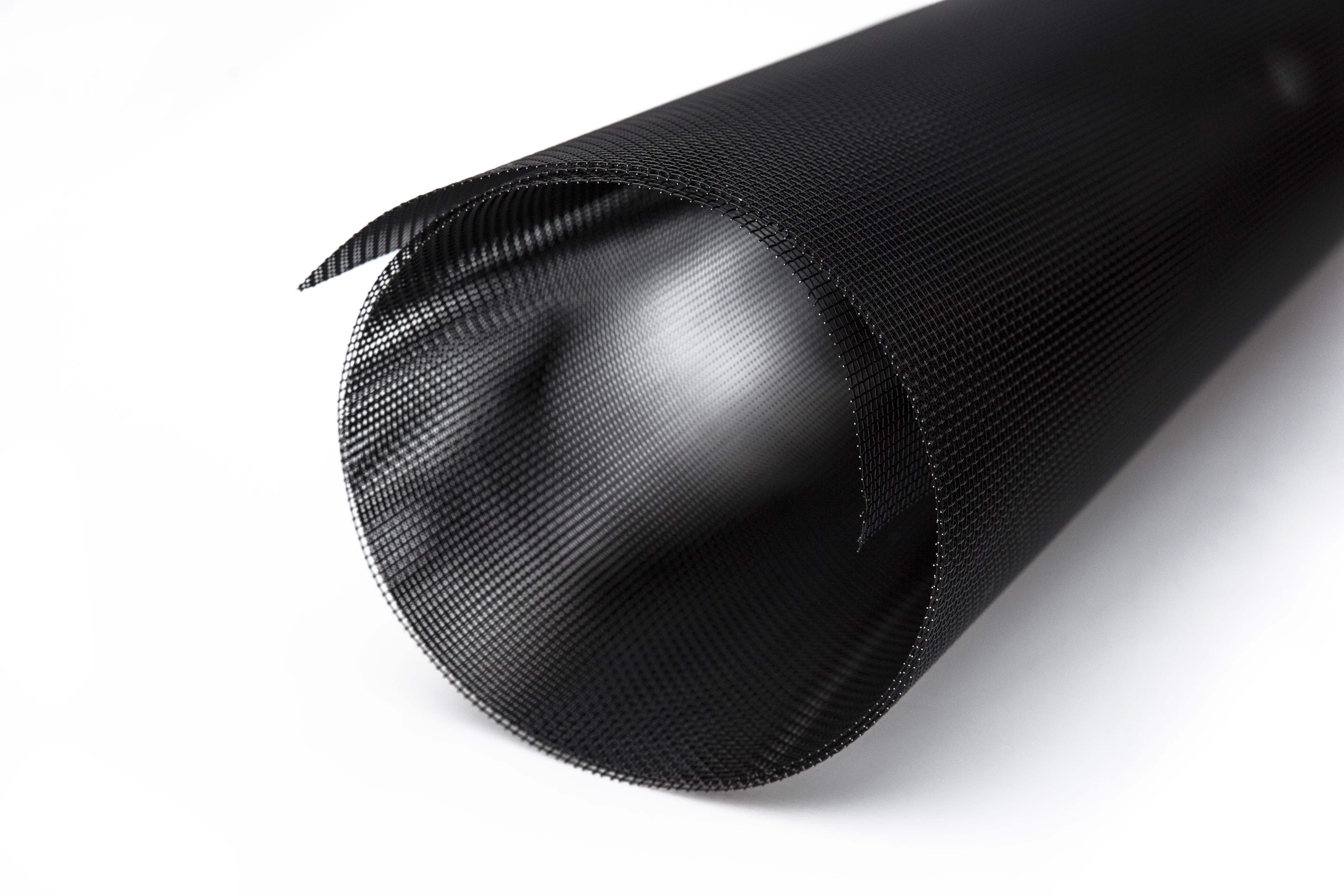
1. Flame- and Ember-Resistant Vents. All vents — foundation, gable, soffit, ridge — must be covered with mesh or vents that pass ASTM E2886 testing. WDM 98 — Wildfire Defense Mesh's 1/16" stainless steel vent mesh — is ASTM E2886-tested and accepted by IBHS for this requirement. IBHS checks for fine-mesh coverage on all vents with proper installation and no gaps. Take photos of every vent after installation — inspectors will verify coverage and having documentation speeds up the process.
2. Noncombustible Zone 0 (5 feet minimum). No combustible materials within five feet of the structure: no mulch, pine needles, or wood chips; no vegetation; no firewood, propane tanks, or trash bins; no combustible patio furniture. Acceptable materials include gravel, rock, pavers, concrete, and metal furniture. Inspectors walk the entire perimeter — even one forgotten pile of firewood or a planter with bark mulch can fail you.
3. Class A Fire-Rated Roof. Class A roofing materials (asphalt shingles, metal, tile, slate) in good condition — no missing shingles, no damage, gutters clear of debris. Wood shake roofs are disqualifying.
4. Enclosed Eaves. Eaves must be fully enclosed with noncombustible materials, or open eaves must have ember-resistant venting. Any vent openings in soffits must be covered with ASTM E2886-tested mesh — WDM 98 satisfies this requirement. Homes with decorative open eaves or exposed rafters often need retrofitting to meet this requirement.
5. One of Three Additional Mitigations. Option A: Noncombustible siding (fiber cement, stucco, brick, or metal) covering at least 75% of the exterior. Option B: Noncombustible fencing within 5 feet of the structure (metal, vinyl, composite). Option C: Additional defensible space with vegetation management extending to 30–100 feet with specific thinning requirements. Most homeowners choose Option C as the most cost-effective path.
Step 1: Self-Assessment. Before scheduling an inspection, complete IBHS's online checklist at wildfireprepared.org. Be thorough. If you don't meet a requirement, fix it before scheduling. Failed inspections delay certification and may require re-inspection fees.
Step 2: Schedule the Inspection. Contact an IBHS-approved inspector in your area — typically fire district personnel, IBHS-certified contractors, or third-party assessors. Inspection fees vary by region but typically run $150–$400.
Step 3: The Inspection. Inspectors will walk the entire perimeter, check all vents, measure Zone 0, verify roof condition, inspect eaves, and check for additional mitigations. A typical single-family home takes 30–60 minutes.
Step 4: Designation or Recommendations. If you pass, you receive an IBHS Wildfire Prepared Home certificate and yard sign, and your home is added to the IBHS registry that insurers can access. If you don't pass, the inspector provides a detailed deficiency report. Fix the issues and schedule a re-inspection.
California Senate Bill 11 requires insurance companies licensed in California to offer premium discounts to homeowners who achieve designation. USAA offers up to 20%, American Family up to 15%, and select regional carriers 5–10%. Even carriers without explicit discount programs use the designation as a positive renewal factor. Notify your insurance agent immediately after earning designation — discounts are not automatic and must be requested.
Designation is valid for three years from the date of inspection, after which a re-inspection is required. Keep Zone 0 clear year-round, maintain your roof and gutters, replace any damaged mesh immediately, and continue defensible space work in Zones 1 and 2.
If you're not ready to pursue full designation, start with the two most impactful requirements: ember-resistant vents and a noncombustible Zone 0. These two upgrades cost under $2,000 and provide the majority of the protection — and they're the foundation for everything else.