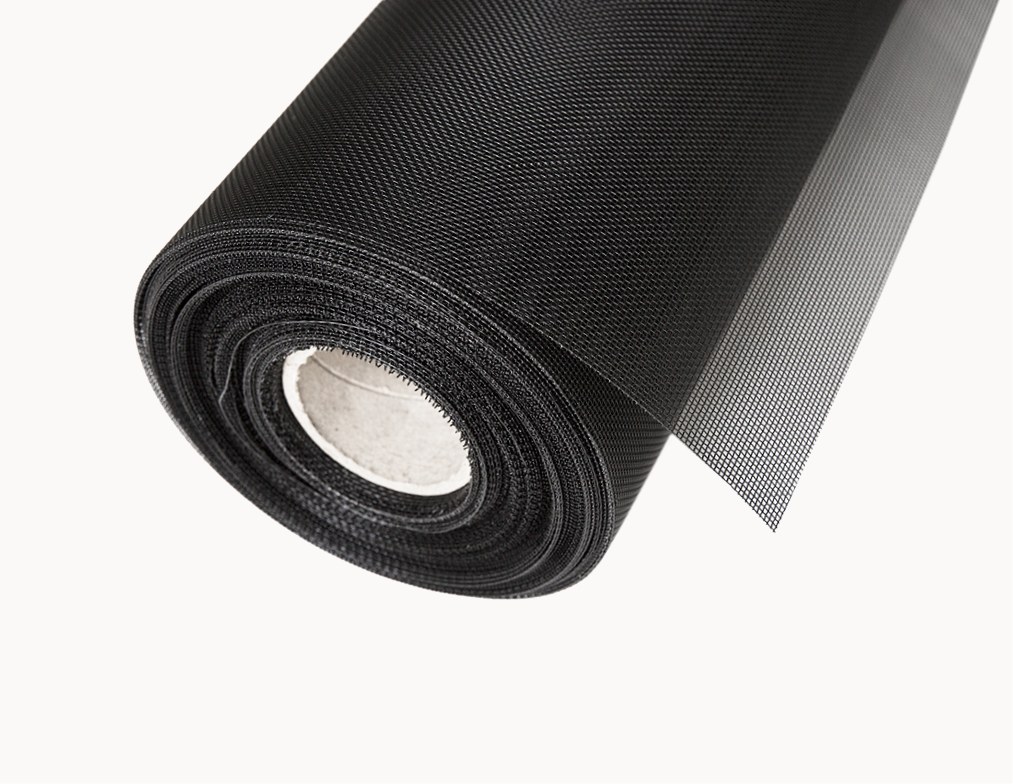
For those communities under threat by the Ranger Road Fire - we are offering free shipping to OK and KA on rolls under 36" in width (no code needed)

Ember-resistant mesh only works if it's installed correctly. Most installation mistakes don't come from using the wrong product — they come from small oversights that leave gaps, create weak points, or leave secondary entry points open. Here are the most common errors, and exactly how to fix each one.
This is the most common and most consequential installation error. Mesh that doesn't fully cover the vent opening or isn't secured tightly against the frame leaves gaps where embers can enter. The cause is usually cutting mesh to the exact size of the vent opening rather than with overlap. Wind also pulls poorly secured mesh away from the edges over time.
The fix: Cut mesh 1–2 inches larger than the vent opening on all sides. Secure the mesh every 2–3 inches around the perimeter, pulling it taut before fastening — slack material creates gaps. After installation, run your hand around the perimeter of the vent. You shouldn't feel any airflow through gaps at the edges.
Mesh attached with duct tape, weak adhesive, or single staples fails during high winds or degrades quickly. For wood-framed vents, use a heavy-duty staple gun with 1/4" or 3/8" staples placed every 2–3 inches around the perimeter. For extra security, add a wood trim strip over the mesh edges and screw it in place. For metal-framed vents, use self-tapping screws with washers every 3–4 inches. Never use duct tape, scotch tape, hot glue, or weak adhesives — these fail within months.
Homeowners cover foundation vents and stop there. Roof-level vents require ladder work and are easy to overlook — but they're among the most vulnerable entry points on a home.
The fix: Do a complete vent audit before you start. Walk the entire home and identify every opening: foundation vents, gable vents, soffit vents, ridge vents, attic vents, dryer vents, and bathroom or kitchen exhaust fan vents. Mark each on a simple diagram. Don't start installation until you've identified every opening — it's much harder to add missed vents after the fact than to cover them all at once.
Using multiple mesh layers, combining WDM with existing screens, or covering vents with code-required airflow rates can cause moisture buildup, mold, or code violations. WDM is designed to replace existing screens — not layer over them.
The fix: Remove old screens before installing WDM. Use a single layer of ASTM E2886-tested mesh. For vents with code-required airflow rates — common in crawl spaces — use WDM 98 (98% free airflow, 1/16" opening). After installation, check for condensation in crawl spaces and attics during the first few weeks. If moisture issues appear, consult your building department about adding additional vents.
Interior installation is easier to access — no ladder required — but it doesn't stop embers from entering the vent cavity. Embers can still accumulate inside the vent structure and ignite from within. Always install mesh on the exterior side of the vent. For second-story or ridge vents where exterior access is genuinely impossible, hire a professional rather than settling for interior-only coverage.
Mesh that corrodes, tears, or comes loose no longer provides protection — but homeowners often install and forget. Inspect all mesh installations annually before fire season. Look for rust or corrosion (especially in coastal or humid climates), tears or punctures, loose or missing fasteners, and gaps around edges. Replace any damaged sections immediately. In high-corrosion environments, stainless steel mesh — what WDM uses — provides significantly longer service life than aluminum or galvanized alternatives.
Embers can enter through very small gaps — the fine 1/16" weave of WDM 98stops them at vents, but small cracks in siding, gaps around window frames, weep holes, and bird stops can serve as additional entry points. After installing vent mesh, complete a secondary inspection for gaps where siding meets the foundation, cracks around window frames, weep holes in brick or stucco (use fine-mesh inserts), gaps where utility lines enter the structure, and bird stops where the roof meets walls. Seal these with caulk for small cracks, fine-mesh inserts for weep holes, and noncombustible sealant for utility penetrations.
After installation, run a simple verification: walk the entire perimeter of your home, visually inspect every vent, tug gently on each mesh installation to confirm it's secure, and run your hand along edges to feel for gaps. Take photos of each completed vent — this documentation is useful for insurance records and for the IBHS Wildfire Prepared Home designation application. If anything feels loose or looks incomplete, fix it before calling the project done.
Ember-resistant mesh closes the most critical ignition pathways — but it doesn't protect against embers that land on combustible material immediately adjacent to the home. The most common version of this mistake is finishing a vent installation and then pushing the wood mulch planter, bark garden bed, or stored firewood back against the foundation. The mesh is protecting the vent six inches away while a receptive fuel bed sits right against the wall.
The fix: Treat mesh installation and Zone 0 defensible space as a single project, not two separate ones. Zone 0 is the noncombustible perimeter within five feet of the home's foundation. IBHS research found that Zone 0 fuel coverage above 25% increases damage likelihood to 87–100% during a wildfire event — making it the highest-impact ground-level mitigation measure available. Everything within five feet of the structure should be noncombustible: gravel, decomposed granite, rock, pavers, or concrete. Remove wood mulch, bark, pine needles, combustible furniture, firewood, and propane tanks. Keep potted plants with combustible soil or wood containers outside the five-foot line.
Zone 0 is also a baseline requirement for the IBHS Wildfire Prepared Home designation and for the insurance premium discounts it triggers under California law. Completing it alongside your mesh installation — rather than as an afterthought — is the most efficient path to maximum protection and the best documentation for your insurer.
Ember-resistant mesh and a noncombustible Zone 0 work together as a system. Mesh stops embers from entering the home. Zone 0 ensures that embers landing on the ground adjacent to the structure have nowhere to ignite. Neither is complete without the other.