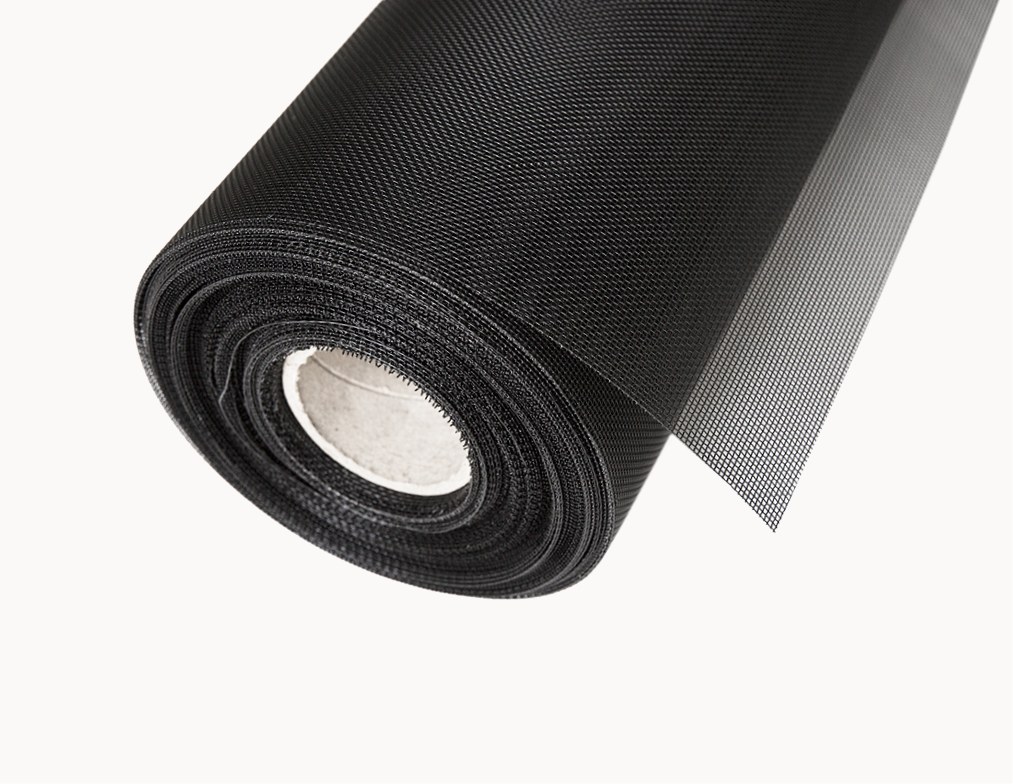
For those communities under threat by the Ranger Road Fire - we are offering free shipping to OK and KA on rolls under 36" in width (no code needed)

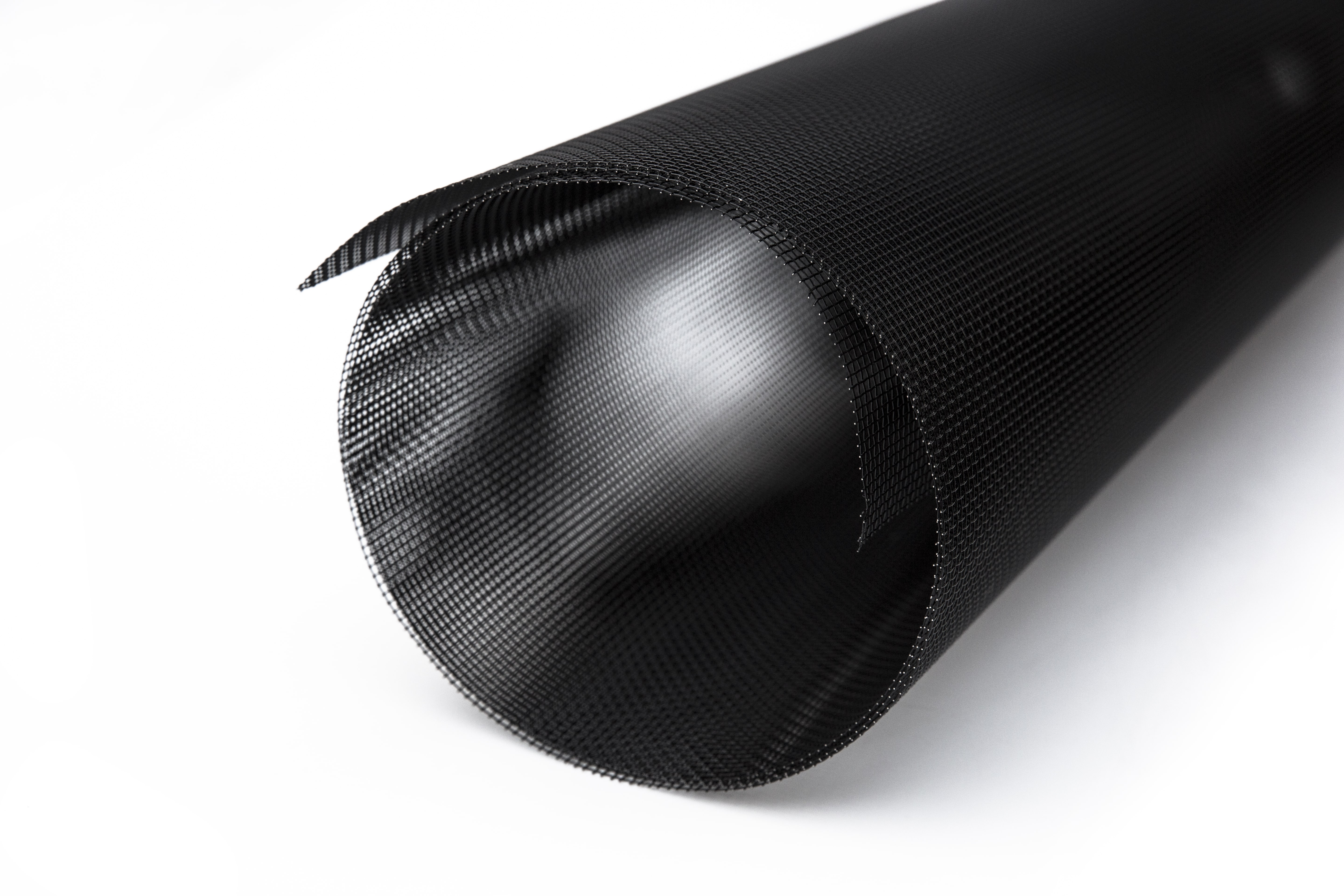
Wildfire Defense Mesh offers two product lines: WDM 98 and WDM 75. Both are ASTM E2886-tested and designed to stop embers while maintaining airflow — but they're optimized for different applications. Here's how to choose the right one.
The number in each product name refers to the percentage of free airflow the mesh allows. WDM 98 maintains 98% of the airflow you'd get with an unscreened vent. It uses a fine 1/16" opening size and lightweight stainless steel material engineered specifically for ember-resistant vent protection. WDM 75 maintains 75% free airflow through a tighter weave and heavier-duty material that provides an additional layer of ember resistance in high-exposure areas.
Both products pass all three components of ASTM E2886 testing: the Ember Intrusion Test (10 minutes of ember exposure with no flaming ignition), the Flame Intrusion Test (direct flame at 1,100°F for 3 minutes with no flaming ignition), and the Heat Transfer Test (interior temperature not exceeding 662°F). Both products work. The difference is optimization — airflow vs. additional ember resistance.
WDM 98 is best for foundation and crawl space vents, gable vents in attics, and any application where building codes require specific airflow rates or where moisture control in a crawl space demands maximum ventilation. Its lighter weight makes it the easiest product to work with for DIY installations — it cuts easily with scissors and attaches cleanly with staples. In hot, humid climates like Texas, WDM 98's near-total airflow maintenance makes it the preferred choice for below-grade vents.
WDM 75 is best for soffit vents, ridge vents, eave and overhang areas, and any location directly exposed to wind-driven ember attack. Its tighter weave provides additional protection in the highest-exposure areas of a home. The trade-off in airflow is minimal for most residential applications, and the added protection is worth it for roof-level vents. In dry, high-wind climates like California and Colorado, consider WDM 75 for all above-ground vent applications.
Yes — and this is often the best approach. The recommended mixed configuration is WDM 98 for foundation and crawl space vents (maximum airflow), and WDM 75 for soffit, gable, and ridge vents (maximum ember protection). This gives you the ventilation you need where it matters most for moisture control and the strongest protection where ember exposure is highest.
Both WDM 98 and WDM 75 meet ASTM E2886 standards and are compliant with California Building Code Chapter 7A, Colorado CWRC, and International Wildland-Urban Interface Code requirements. If your jurisdiction has code-mandated airflow rates for crawl space vents, confirm that WDM 98's 98% airflow maintenance satisfies those requirements. Contact your local building department if you're uncertain.
WDM 98 is lighter, more flexible, easier to cut, and works well with heavy-duty staples. WDM 75 is heavier-duty, holds its shape better for larger vent openings, and should be secured with screws in high-wind areas. Both products come in roll widths of 8", 24", 36", 49", and 60" to minimize waste across any application.
Still not sure which product fits your situation? Contact Wildfire Defense Mesh with your home's details — vent types, count, climate zone, and fire risk level. The team can recommend the right configuration for your specific property.