
The holidays bring more activity into the home—especially in the kitchen. A few small reminders can help reduce fire risk during a busy season.
The holidays bring more activity into the home—especially in the kitchen. A few small reminders can help reduce fire risk during a busy season.
Slow cookers, warming trays, and coffee makers are often running together during holiday meals. When multiple high-wattage appliances share outlets or power strips, electrical systems can become strained. NFPA data shows that electrical failures or malfunctions account for tens of thousands of home fires each year, and overloaded circuits are a known contributing factor in these incidents.
Plug high-wattage appliances directly into wall outlets, not extension cords or power strips.
Candles add warmth to holiday décor, but kitchens and dining areas see more movement than usual. Open flames in high-traffic spaces increase the chance of accidental contact. According to NFPA, 11% of christmas tree fires are started by candles and more than one-third of home decoration fires are started by candles.
Keep candles out of active cooking areas while meals are being prepared.
Loose sleeves, layered clothing, towels, and decorations can drift closer to stoves and ovens during busy cooking. These items are easy to overlook in the moment but over half of candle fires start because a flammable item like décor, furniture, clothing, bedding or curtains was too close to the candle flame (Source: NFPA).
Maintain clear space around heat sources—at least three feet when possible.
Grease buildup extends far beyond the stovetop. It collects inside ovens, vent hoods, filters, and drip pans, where it’s easy to overlook. NFPA reports that fat, grease, and oil account for about 51% of cooking fires involving ignited cooking materials, underscoring why hidden grease matters.
Cleaning hidden grease areas before heavy holiday cooking helps reduce fire risk.
Indoor fire safety is only one part of protecting a home. NFPA research shows that wind-driven embers are the leading cause of home ignitions during wildfires, often exploiting small vulnerabilities both inside and outside the structure. These embers can enter through vents, gaps, and other openings, igniting materials without direct flame contact.
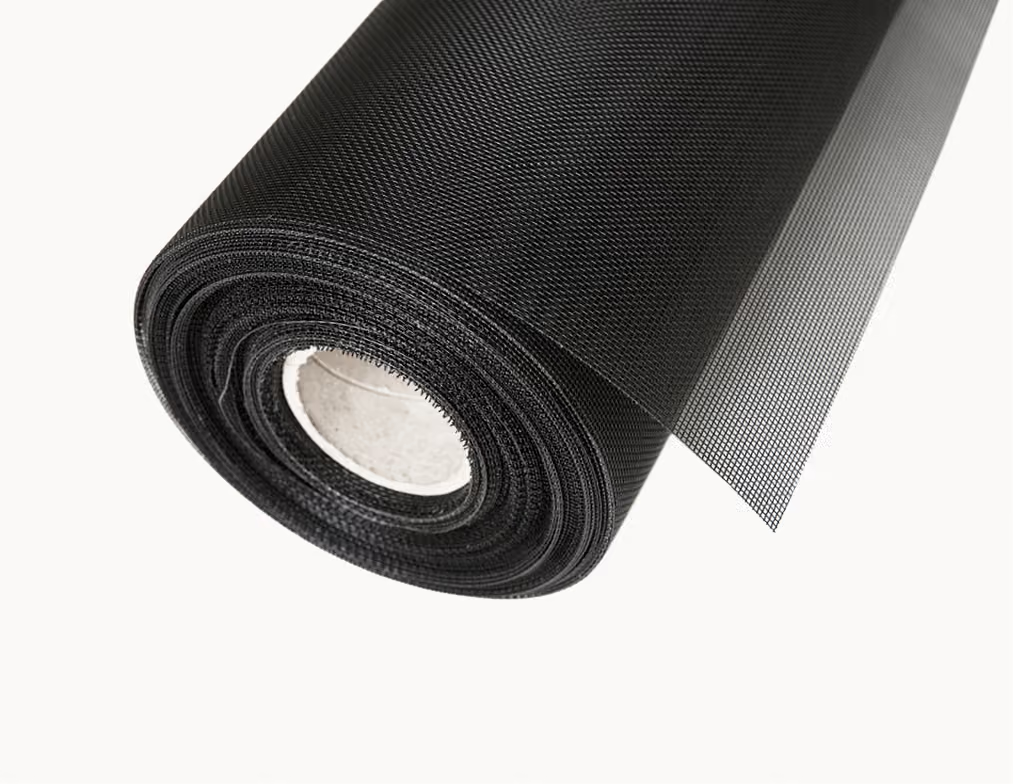
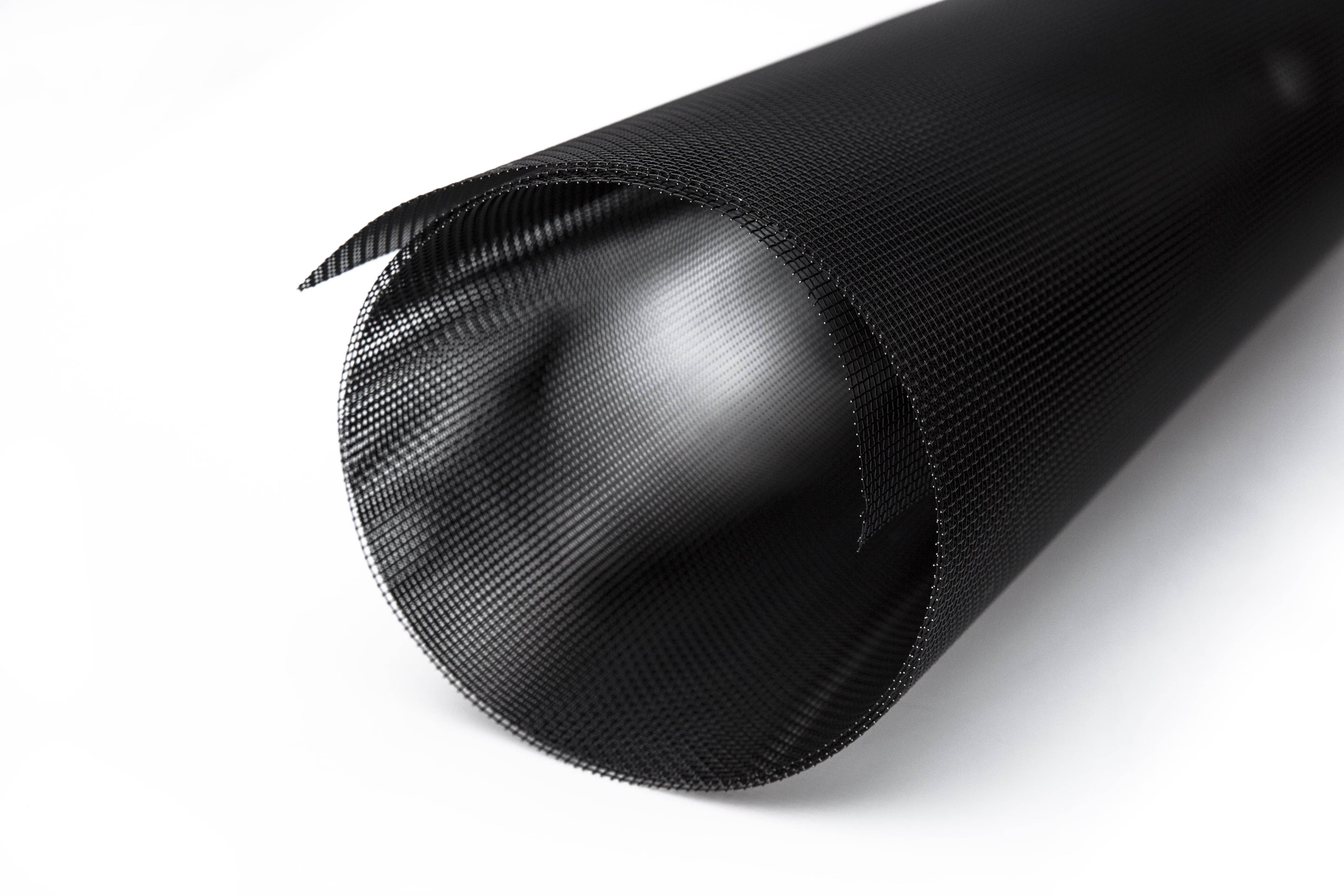
Reducing risk indoors works best alongside exterior measures that limit ember entry. Solutions such as specially-engineered ember-resistant mesh are designed to help block embers at common entry points, addressing one of the most frequent causes of wildfire-related home loss identified in NFPA and IBHS research.
Holiday fire safety doesn’t require major changes. It’s about awareness. Recognizing how routines shift and addressing a few easily overlooked details.
Small steps now help protect the home during the holidays and support long-term resilience year-round.