
The wildfire seasons of 2024–2025 reinforced a reality fire agencies and researchers have warned about for years: modern wildfires are increasingly shaped by ember exposure, rapid escalation, and widespread community disruption.
Research summarized by the National Fire Protection Association (NFPA) shows that most homes lost in wildfires ignite from embers and small flames, not direct flame contact.
From Canadian national parks and boreal forests to densely developed canyons in Southern California, recent fires show that while landscapes differ, the mechanisms that threaten homes are often the same.
Across modern wildfire events, a common sequence appears:
This sequence is visible, in different ways, across the fires below.
Why it was devastating
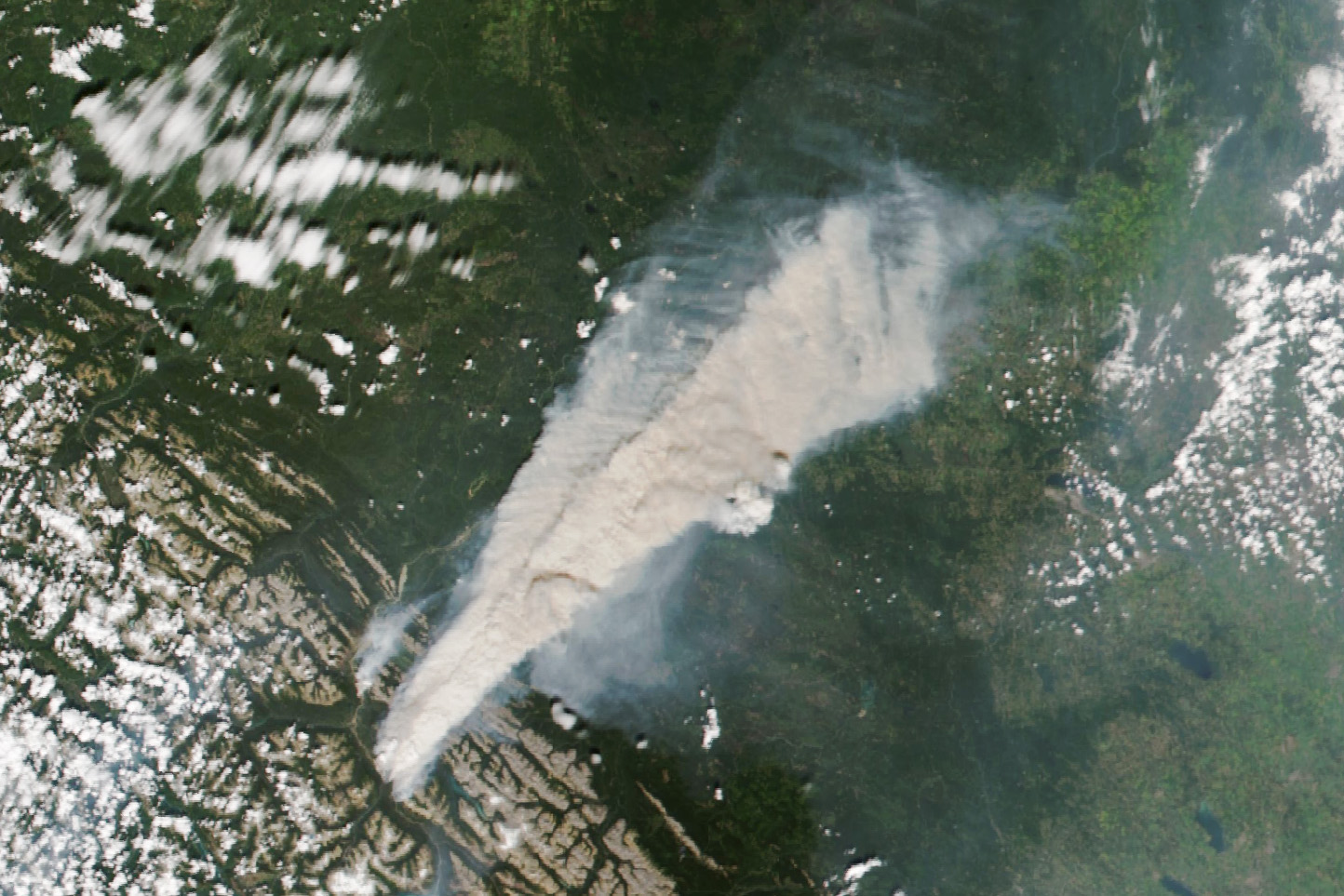
When wildfire entered the Jasper townsite, the event quickly shifted from perimeter control to community-wide exposure. Official Parks Canada reporting documents widespread impacts once fire moved into developed areas. Once many structures are exposed at once, fire spreads faster than crews can intervene.
Why it was devastating
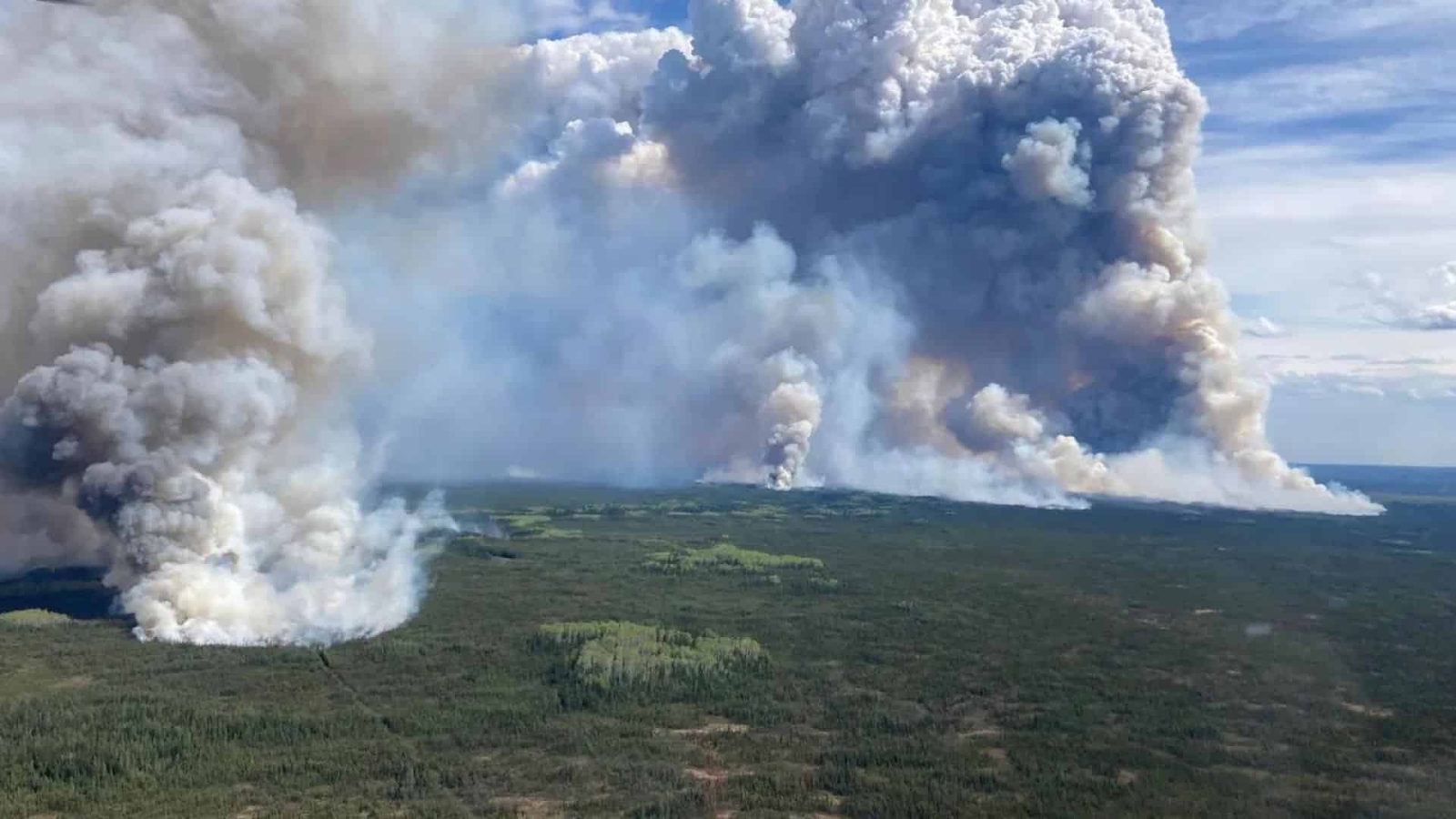
Official updates from the BC Wildfire Service show how quickly conditions changed. This fire illustrates how speed itself becomes a driver of damage. Fires that advance faster than planning cycles expose homes before defenses can be established.
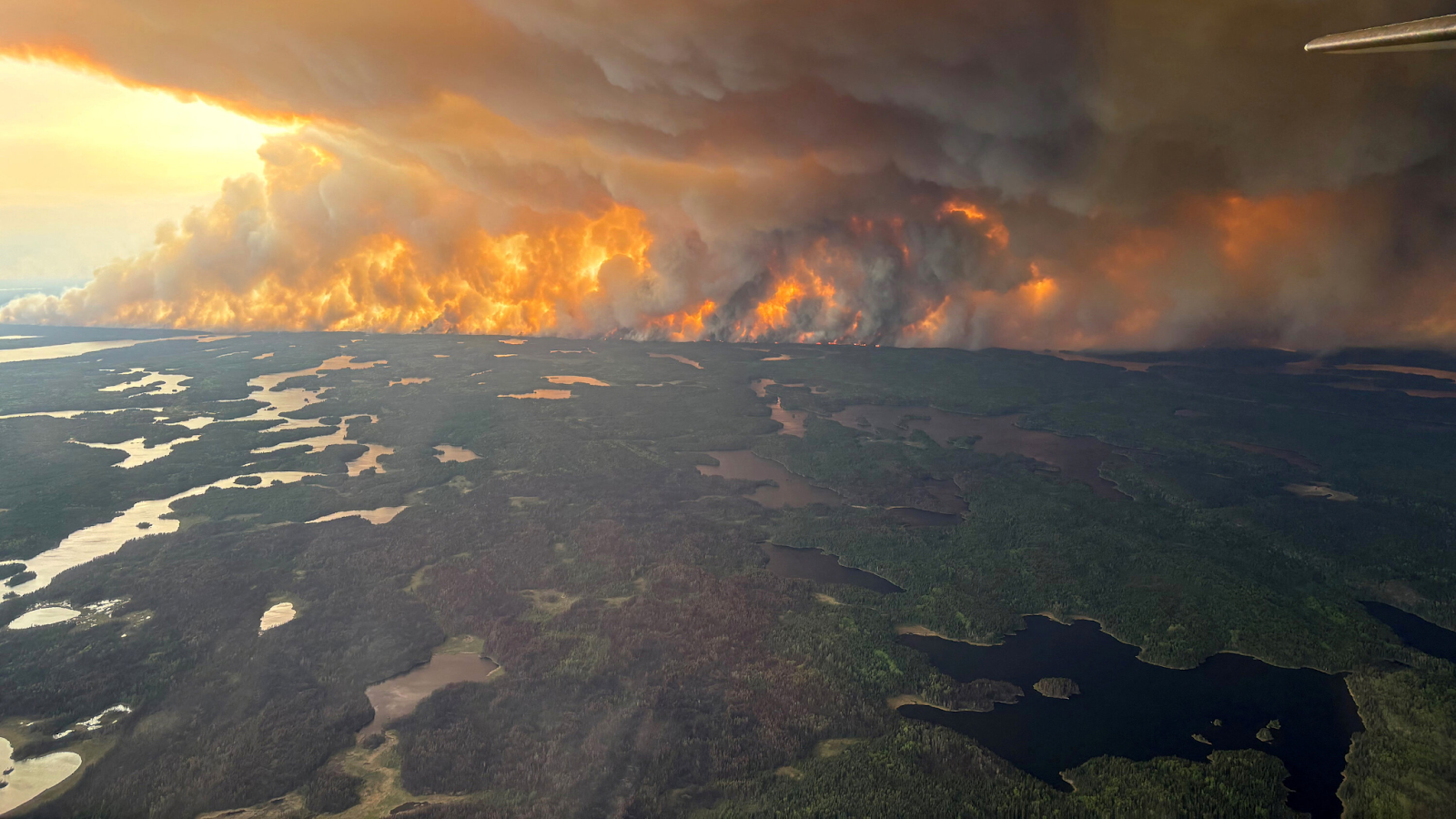
Why they were devastating
When many fires burn at once, not every structure can be defended. Fires advance by exploiting untreated vulnerabilities while resources are stretched thin.
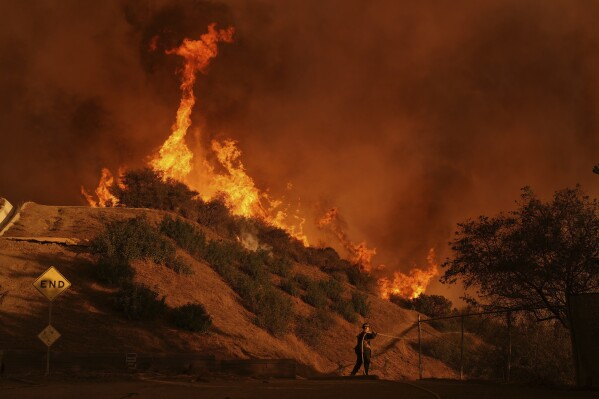
Why it was devastating
CAL FIRE documents the incident and broader wildfire risk in developed interface areas which shows how fires advance in urban-adjacent areas when wind + terrain + building complexity create ideal conditions for ember-driven ignition.
Why it was devastating
Eaton Canyon demonstrates that fire size does not equal fire impact. Fires advance when local conditions repeatedly expose homes to embers.
Across all five fires:
This is why guidance from FireSmart Canada, NFPA, and IBHS focuses so heavily on reducing ember vulnerabilities at and on the structure.
The fires of 2024–2025 were devastating not because they were unusual, but because the conditions that allow wildfires to advance are becoming more common. Fires move faster when embers travel farther, homes present multiple ignition opportunities, and response capacity is stretched.
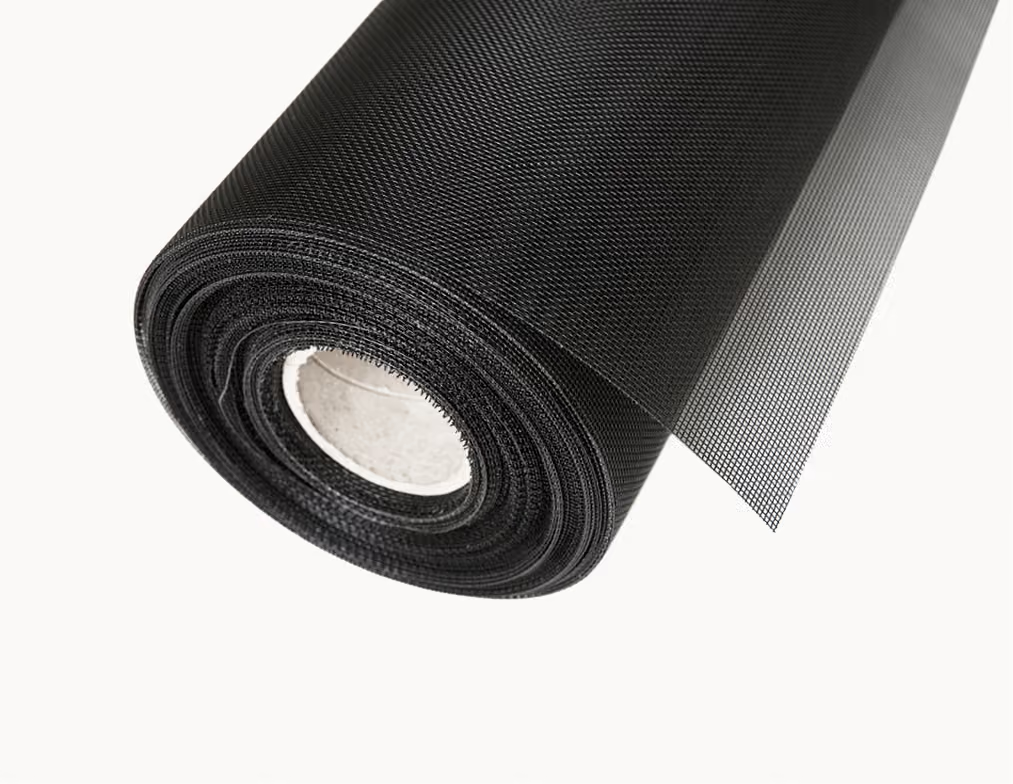
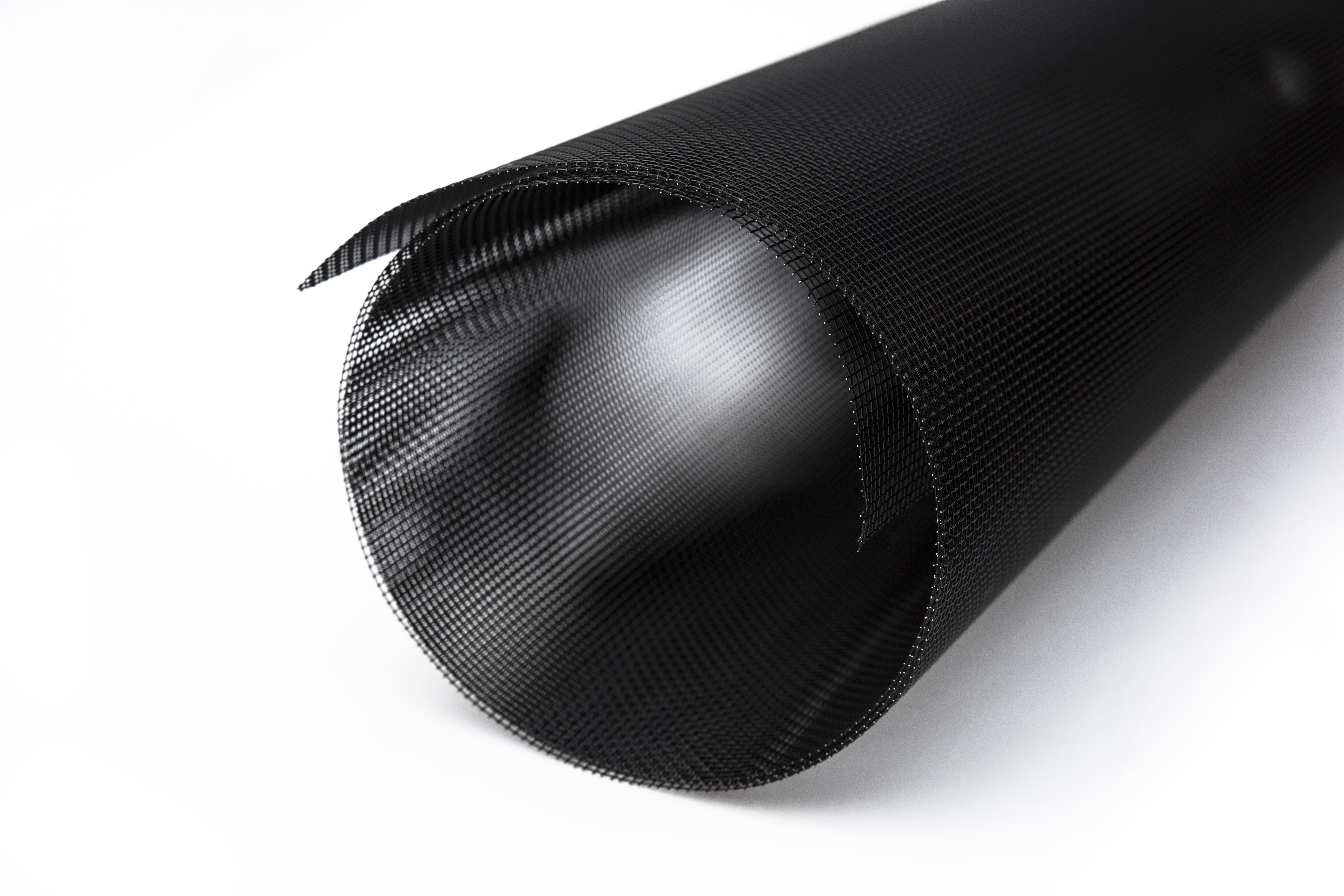
Within this context, specially-engineered ember-resistant mesh addresses one specific and well-documented pathway: ember entry through building openings. When properly specified, installed, and maintained, and used in accordance with local codes, ember-resistant mesh can help reduce a known ignition pathway. It is most effective as part of a layered approach that also includes defensible space, clean gutters, and ongoing maintenance.
No product or material can guarantee wildfire protection. Fire behavior, weather, and surrounding conditions will always influence outcomes. But reducing avoidable vulnerabilities remains one of the most practical, science-aligned steps communities and homeowners can take as wildfire conditions continue to evolve.
Request a sample of Wildfire Defense Mesh →