
When homeowners think about wildfire protection, the focus is often on flames. Fire-resistant materials, defensible space, and fire-rated construction are familiar ideas. What’s less understood is that most homes lost in wildfires are not destroyed by direct flame contact.
They are ignited by embers.
Understanding the difference between fire resistance and ember resistance helps explain how homes are actually exposed during wildfire events—and where protection is most often overlooked.
Fire resistance refers to how materials perform when exposed to direct heat and flames. Fire-rated roofing, siding, and ignition-resistant materials are designed to slow ignition and limit damage when a fire front approaches a structure.
IBHS testing shows that the embers most likely to ignite homes are large enough to retain heat but small enough to enter vents and other exterior openings. Smaller ash cools quickly, while larger embers can lodge in vulnerable areas, smolder, and ignite materials over time—often without visible flames. Limiting the entry points for dangerous embers is a critical component of effective wildfire protection and is known as ember resistance.
During a wildfire event, thousands of embers dislodge and become airborne, potentially traveling miles before they settle. Embers are small, persistent, and easy to overlook. They can enter vents, settle under decks, collect along rooflines, or lodge in gaps where materials meet.
Because this process is often slow and inconspicuous, ignitions may occur well after the main fire front has passed. But, don’t be fooled, 9 out of 10 home ignitions are caused by dangerous embers. In many cases homes ignite from weakness at these ember entry points rather than from flames reaching the structure.
A home can be built with fire-resistant materials and still be vulnerable if embers are able to enter or accumulate and ignite. They are resistant, not fire-proof. While fire resistance helps manage heat exposure, it does not address the pathways embers use to access ignition-prone areas.
This gap is one of the most common findings in post-fire damage assessments.
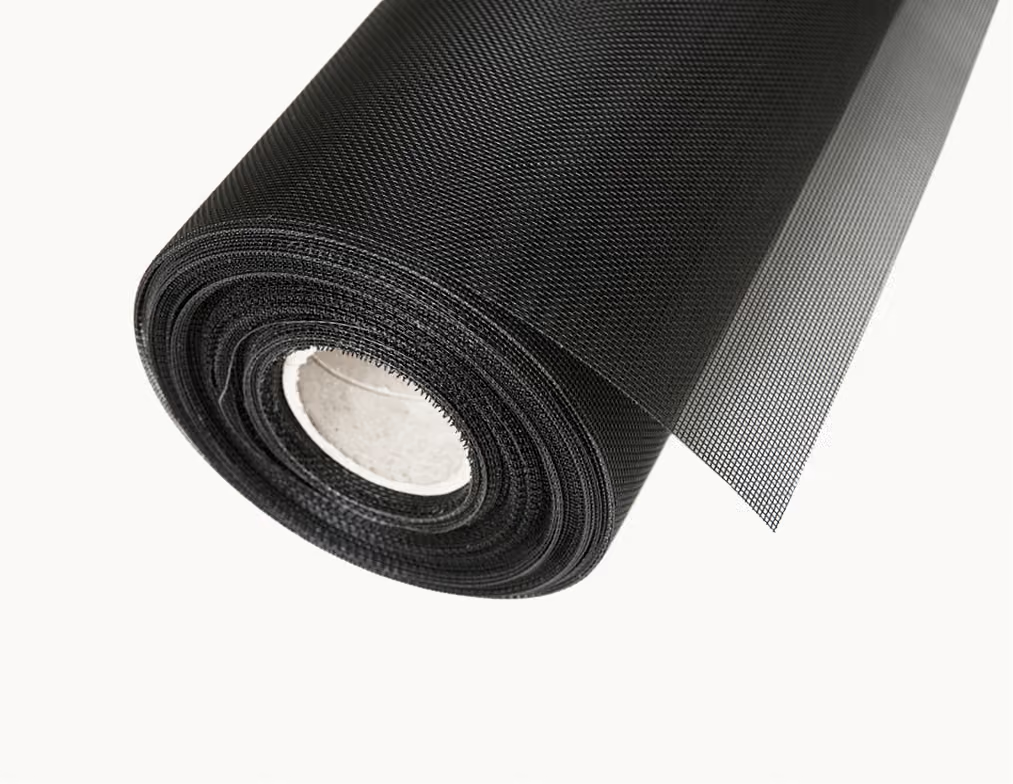
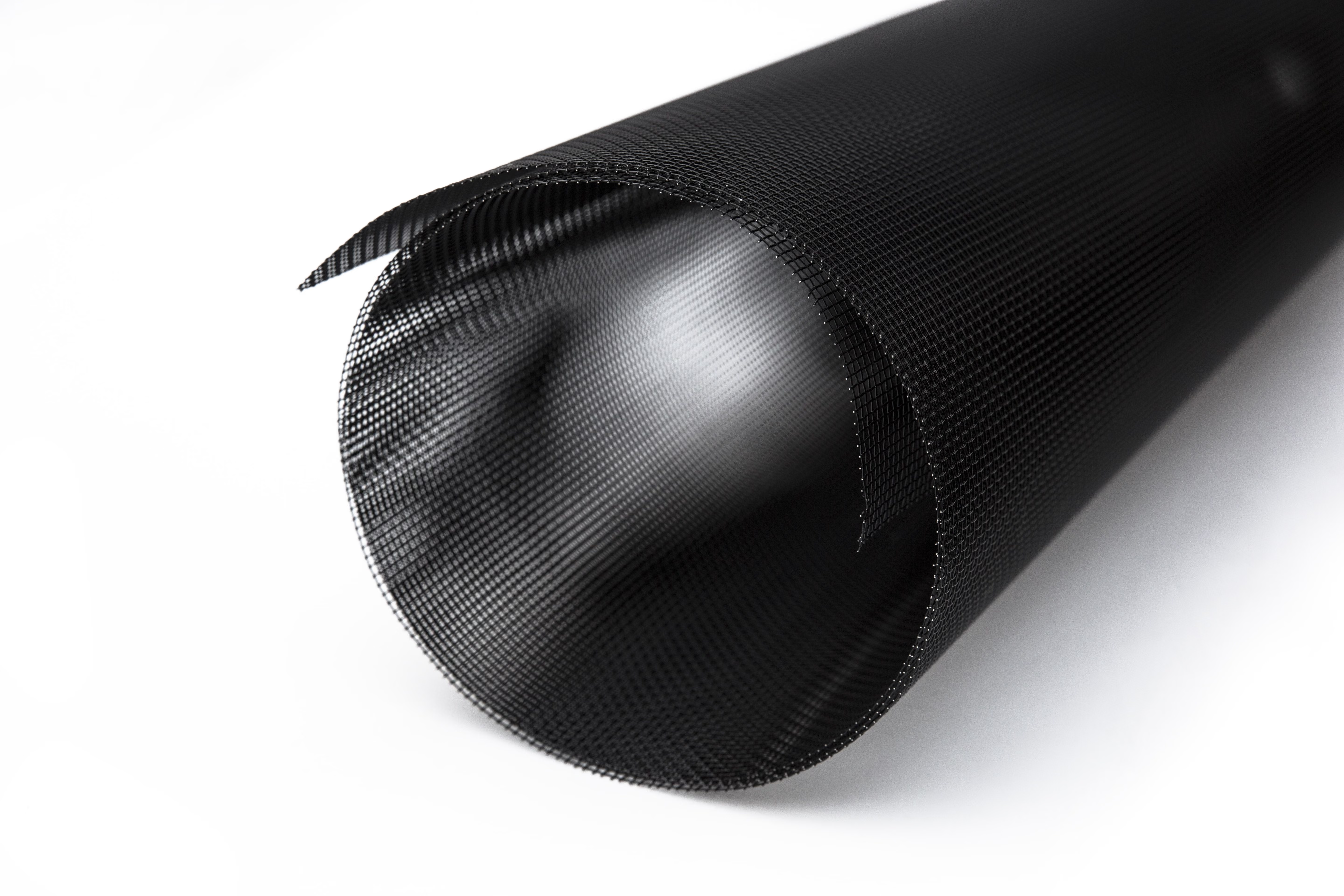
Effective wildfire protection combines both strategies. Fire resistance helps a structure withstand heat and flame, while ember resistance focuses on reducing the most common causes of ignition. Maintaining a clear 0–5 foot Immediate Zone supports both by keeping direct flames away from the structure and reducing ember accumulation at vulnerable entry points. Wildfire Defense Mesh’s specially-engineered ember-resistant mesh is designed to limit ember entry while maintaining airflow, addressing vulnerabilities around vents, decks, and other openings.
By understanding how fire and embers affect homes differently, homeowners can take a more informed and practical approach to wildfire resilience.