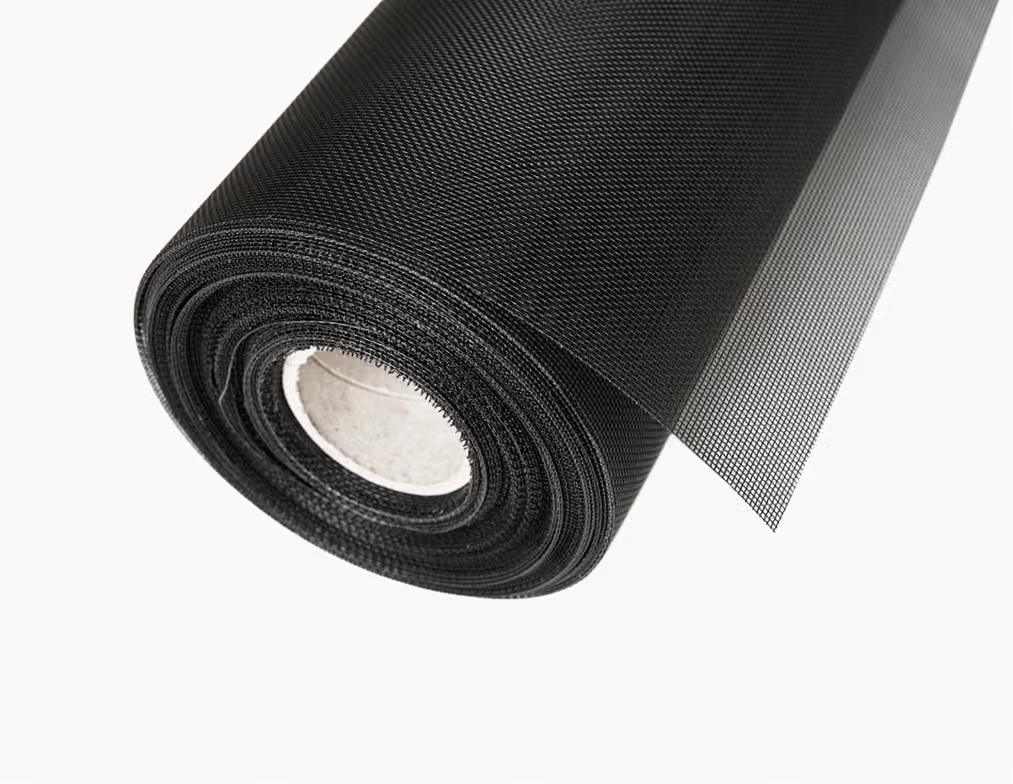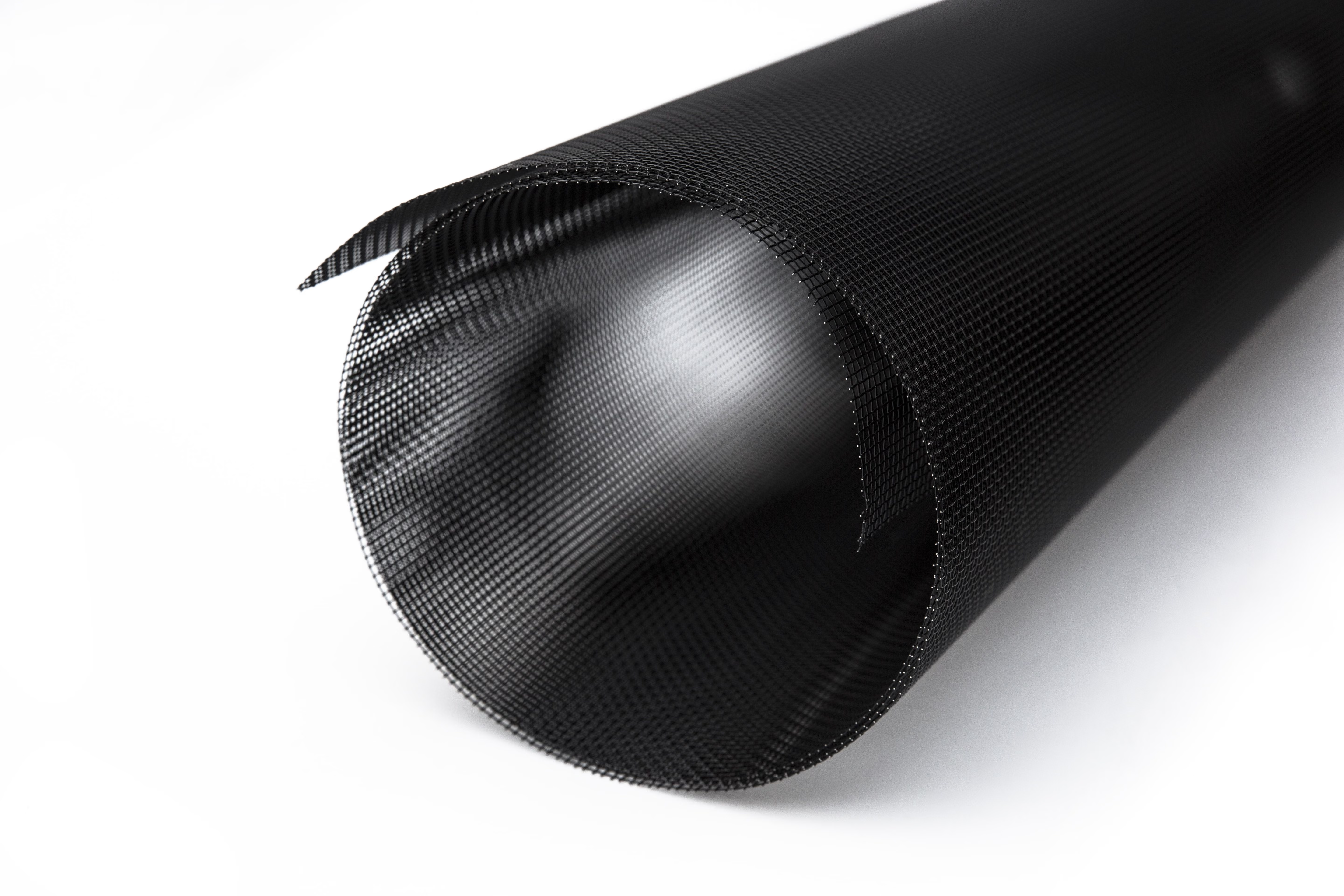

In a previous post, we walked through how to calculate Net Free Area (NFA) when installing specially-engineered ember-resistant mesh. But before getting into the math, it’s worth stepping back and asking a simpler question: what is NFA, and why does it matter in the first place?
When homeowners retrofit vents for wildfire protection, the focus is often on each individual vent: Is it screened? Is it ember-resistant? Does it meet code? But there’s a bigger picture that often gets overlooked - how all of your vents work together as a system. That’s where Net Free Area (NFA) comes in.
Understanding NFA helps ensure your home stays well-ventilated and better protected from embers without accidentally creating new problems.
Net Free Area (NFA) is the portion of a vent that is actually open and able to allow air to pass through.
While a vent might look large from the outside, not all of that space is usable. Louvers, frames, and protective mesh reduce how much air can move through the opening. NFA measures the true airflow space, not the outer dimensions of the vent.
Think of it this way: The vent size is what you see and the net free area is what air can actually use.
Ventilation plays a critical role in keeping a home healthy. Proper airflow helps:
Building codes account for this by requiring a minimum amount of total ventilation, measured in NFA, based on the size of the attic or enclosed space.
When wildfire protection is added, like specially-engineered ember-resistant mesh, airflow is reduced. That doesn’t mean the mesh is a problem; it means the ventilation system must be evaluated as a whole after retrofitting.
One common mistake is evaluating vents individually: “This vent is screened, so it’s fine.”
But ventilation doesn’t work one vent at a time, it works as a system.
What matters is:
A home can technically have “enough vents” and still be under-ventilated if the combined post-retrofit NFA falls below recommended levels.
Ember-resistant mesh protects homes by blocking wind-driven embers - one of the leading causes of home ignition during wildfires. But mesh also reduces open area.
For example, a vent opening may appear large enough but after mesh is added, only a percentage of that opening remains available for airflow
That reduction must be accounted for when calculating NFA. Otherwise, a home can unintentionally fall below ventilation requirements.
Instead of asking, “Is this vent protected?” Ask these system-level questions:
Add up the net free area of all vents after mesh is installed and compare it to recommended ventilation ratios. Follow our step-by-step NFA measurement guide →
Healthy passive ventilation relies on both:
Too much of one and not enough of the other can reduce airflow, even if total NFA looks adequate.
Multiple layers, tight spacing, or poor placement can create pressure drops that reduce performance beyond what simple NFA math suggests.
Retrofitting vents for wildfire protection is a smart step but it shouldn’t be done in isolation.
Net Free Area helps bridge the gap between fire safety and building performance. By thinking holistically about ventilation, not vent by vent, homeowners can protect their homes from embers without compromising airflow, moisture control, or long-term durability.
If you’re upgrading vents, make sure you’re upgrading the system, not just the hardware.